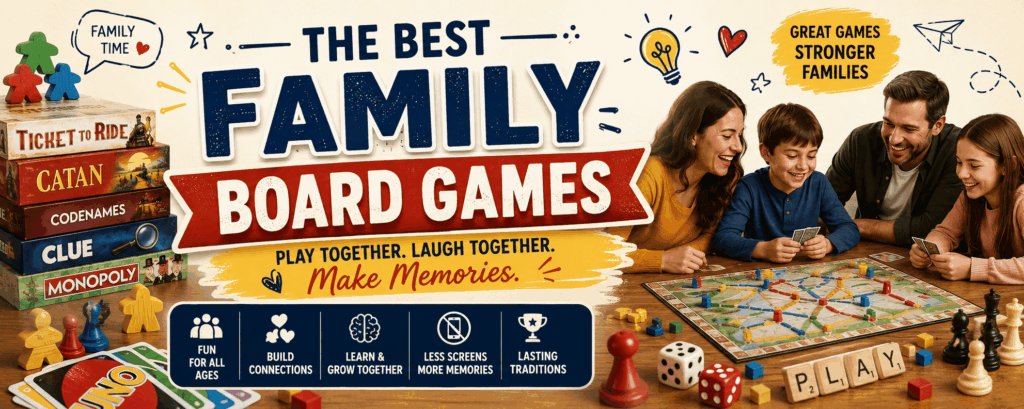




Dice games have been part of entertainment for centuries, and even today, they remain one of the easiest and most exciting ways to bring people together. Whether you are playing at home with family, enjoying a party with friends, or exploring modern dice board games, the fun comes from a perfect mix of luck, decision-making, and friendly competition.
Unlike many games that require long setup times or complicated equipment, dice games are simple to start. All you need is a set of dice, a few rules, and players ready to have fun. However, simple does not mean boring. Many dice games include clever strategies, scoring choices, risk-taking moments, and surprising turns that keep every round fresh.
In this blog, we will explain how dice games work, what makes them enjoyable, how to play them better, and which tips can help you win more often. We will also look at popular options, including games like Yahtzee, adult dice games, and modern dice-based board games.
What Are Dice Games?
Dice games are games where dice are used as the main tool for gameplay. Players roll dice to create numbers, combinations, patterns, or outcomes. These results then decide movement, points, actions, or challenges depending on the rules of the game.
Some dice games are based mostly on luck, while others include planning and strategy. For example, a simple rolling game may only depend on the number you get, but more advanced dice board games may require players to choose when to roll again, when to save points, or when to take a risk.
This is why dice games appeal to so many people. They are easy enough for beginners but can still be interesting for experienced players.
Why Dice Games Are So Popular
Digital dice games continue to stay popular because they are flexible, affordable, and fun for nearly every age group. They can be played casually or competitively, indoors or outdoors, with two players or a large group.
Here are some reasons people enjoy dice games:
They are easy to learn and quick to play.
Most games need very little equipment.
Every roll creates excitement and suspense.
They are great for family nights, parties, and gatherings.
Many games combine luck with smart decision-making.
They work well for both kids and adults.
There are many styles, from classic games to modern board games.
Another reason dice games remain interesting is that no two rounds feel exactly the same. Even if you know the rules well, the dice can change everything in seconds. As a result, players stay engaged from the first roll to the final score.
Basic Rules Found in Most Dice Games
Every dice game has its own rules, but many share common gameplay elements. Understanding these basics makes it easier to learn new games quickly.
Most dice games include:
Rolling: Players roll one or more dice during their turn.
Scoring: Dice results are converted into points or actions.
Turns: Players take turns rolling and making choices.
Combinations: Some games reward specific number patterns.
Risk choices: Players may decide whether to roll again or keep their score.
Winning condition: The winner is usually the player with the highest score or the first to complete a goal.
For example, in games like Yahtzee, players roll five dice and try to create scoring combinations such as three of a kind, full house, small straight, or five of a kind. The goal is not just to roll well but to choose the best scoring category at the right time.
Because of this, dice games often reward both patience and bold moves.
Dice Games: A Good combination of Luck and Strategy
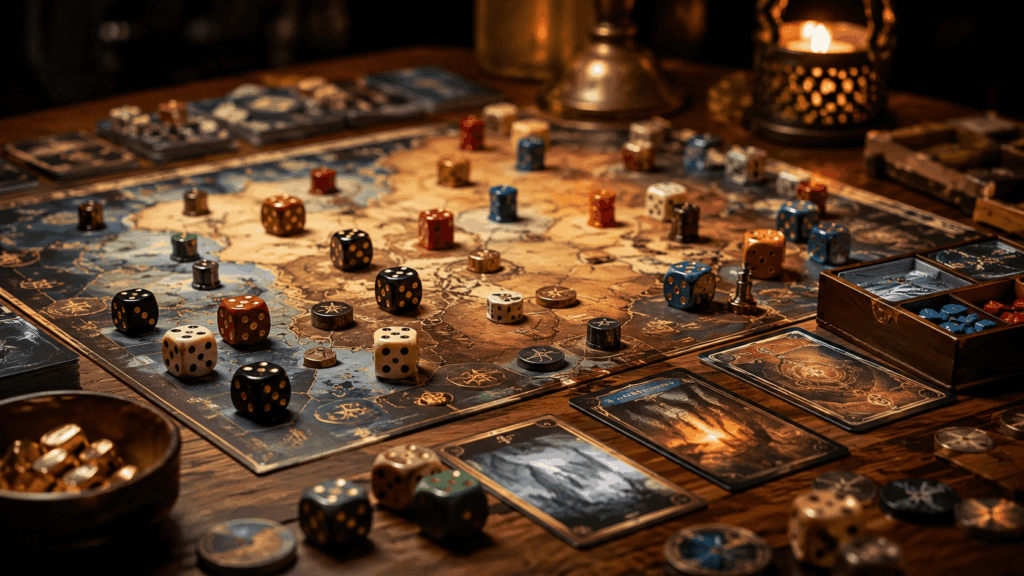
Dice board games take the excitement of dice rolling and combine it with boards, cards, tokens, or special game pieces. These games usually offer deeper gameplay than basic dice games because players must think about movement, resources, positioning, or long-term goals.
In many dice board games, dice do not simply decide who wins. Instead, they create opportunities. A strong player knows how to use a lucky roll wisely and how to recover from a bad one.
For example, a dice board game may ask players to:
Move across a board based on dice results.
Collect resources or points.
Trigger special actions.
Complete missions or challenges.
Make decisions based on limited rolls.
Block opponents or protect their own progress.
This makes dice board games especially enjoyable for people who like both chance and planning. The dice keep the game unpredictable, while the board adds structure and strategy.
Popular Types of Dice Games
Dice games come in many forms. Some are simple and quick, while others are more detailed and competitive. Before choosing a game, it helps to know the main types.
Classic Dice Games
are usually easy to learn and have been played for many years. They often use standard six-sided dice and simple scoring rules. These games are great for beginners because players can start quickly without reading long instructions.
Examples include basic scoring games, roll-and-match games, and number-based challenges.
Games Like Yahtzee
Games like Yahtzee are popular because they mix luck with smart scoring decisions. Players roll multiple dice and try to create useful combinations. The challenge is deciding which score category to use and when to take a chance on a better roll.
These games are great for players who enjoy patterns, probability, and competition.
Adult Dice Games
Adult dice games are often designed for parties, social gatherings, or game nights. Some focus on humor, challenges, conversation, or drinking-game style rules. However, adult dice games do not always need to be wild or inappropriate. Many are simply more competitive, strategic, or socially engaging than games made for younger players.
They are a good choice when you want something light, interactive, and fun for a group of friends.
Educational Dice Games
Dice games can also be useful for learning. Many parents and teachers use dice to help children practice counting, addition, probability, and quick thinking. Since the learning happens through play, children often stay more interested.
Strategy-Based Dice Games
These games are ideal for players who want more depth. They may include special dice, character abilities, missions, or board movement. While luck still matters, smart planning can strongly influence the final result.
Winning Tips for Dice Games
Although dice games include chance, there are still ways to improve your performance. A lucky roll can help, but good choices often make the real difference.
Here are practical tips to increase your chances of winning:
Know the rules clearly before you start. Many players lose points because they misunderstand scoring or turn options.
Do not chase risky combinations too often. A big score is tempting, but sometimes a safe choice is better.
Watch your opponents. Their choices can tell you whether you need to play aggressively or carefully.
Use probability in your favor. Some combinations are easier to roll than others, so choose realistic targets.
Plan ahead. In games like Yahtzee, think about future scoring categories before locking in your current score.
Stay flexible. Dice results can change your plan quickly, so adjust instead of forcing one strategy.
Avoid emotional decisions. A bad roll can be frustrating, but rushing the next move can make things worse.
Practice often. The more you play, the better you become at spotting smart scoring opportunities.
Most importantly, remember that dice games are meant to be enjoyable. Winning feels great, but the best games are the ones where everyone stays involved and entertained.
How Strategy Works in Dice Games
At first glance, dice games may look completely random. After all, you cannot control the numbers that appear. However, strategy comes from how you respond to those numbers.
For example, imagine you are playing a game where you can roll three times. After the first roll, you must decide which dice to keep and which ones to roll again. This decision can change your final score. Keeping a small but guaranteed score may be smarter than risking everything for a rare combination.
In other words, dice strategy is not about controlling luck. It is about managing luck.
Good players ask questions like:
What is the safest move right now?
What is the highest possible reward?
How likely am I to get the result I need?
What score do I still need later?
Can my opponent catch up if I play too safely?
These questions help turn a simple dice roll into a meaningful decision.
For Family and Friends
One of the best things about dice games is that they fit many social settings. For family game night, simple dice games are perfect because younger and older players can enjoy them together. For friends, adult dice games can create laughter, conversation, and exciting competition.
Meanwhile, dice board games are ideal when players want a longer and more immersive experience. They can turn a casual evening into a full game session with goals, challenges, and memorable moments.
To choose the right dice game, think about your group:
Kids, choose easy rules and short rounds.r adults, choose social or strategic games.
Families, choose games with simple scoring.
Competitive players, choose games with deeper strategy.
Parties, choose fast-paced games with funny moments.
This way, everyone gets a game that matches the mood.
Common Mistakes Beginners Make
New players often focus only on rolling high numbers, but dice games are usually about more than that. A high roll may help, but it does not always lead to the best move.
Some common mistakes include:
Ignoring scoring rules.
Taking unnecessary risks.
Forgetting what combinations are still available.
Playing too defensively.
Not paying attention to other players.
Giving up after a bad round.
Choosing complicated games too early.
Fortunately, these mistakes are easy to fix. Start with simple games, learn the scoring system, and focus on making better choices each turn.
FAQ About Dice Games
A: Dice board games are games that use dice along with a board, tokens, cards, or other pieces. The dice usually decide movement, actions, points, or special events, while the board adds structure and strategy.
A: Not always. Some dice games are mostly luck-based, but many include strategy. Players often make choices about when to roll, which dice to keep, how to score, and when to take risks.
A: Games like Yahtzee usually involve rolling multiple dice to create combinations and earn points. These games are popular because they are easy to understand but still require smart scoring decisions.
A: No. Adult dice games can be party games, but they can also be strategic, competitive, or conversation-based. The term usually means the game is designed with older players in mind.
A: Yes, many dice games are great for kids. They can help children practice counting, simple math, patience, and decision-making while having fun.
Conclusion
Multiplear dice games are simple to start, exciting to play, and flexible enough for almost any group. From classic rolling games to modern dice board games, they offer a unique mix of chance, strategy, and entertainment. Whether you enjoy games like Yahtzee, prefer social adult dice games, or want a family-friendly activity, there is a dice game for every occasion.
The best part is that every roll brings a new possibility. You might score big, change your plan, or make a comeback when no one expects it. That unpredictability is exactly what makes dice games so enjoyable.
So, the next time you want a game that is easy to set up but still full of excitement, grab some dice, invite a few players, and let the rolling begin.